Fire accidents do not wait, they do not knock, they do not warn. They strike suddenly — through a spark, a turned-up gas knob, an overloaded plug or a burning cigarette left unattended. Every year, thousands of homes and workplaces face fire disasters not because of fate, but because of lack of awareness and preparation.
Fire safety is not a subject for factories and offices only — it concerns students, homemakers, employees, shop owners, drivers, apartment residents and even children. Everyone uses fire in some form daily, yet most people do not know how to react when a fire breaks out. The right knowledge can turn an ordinary person into a lifesaver.
In this blog, we’ll explore important fire safety tips that everyone should know and practice in daily life.
Fire Safety Begins with Awareness
Most fire incidents are preventable. The problem is not fire — the problem is ignorance. People underestimate how fast fire spreads. A flame that begins in a kitchen can engulf an entire room within minutes. Smoke travels even faster, affecting breathing and visibility.
Awareness is the first layer of protection.
When people know the causes of fire, they can avoid doing things that trigger it.
Major Fire Hazards Around Us
Understanding where danger exists helps prevent it. These are the most common fire-causing factors in homes and workplaces:
- Overloaded electrical boards
- Short circuits due to poor wiring
- Gas leak in kitchen or pipeline
- Hot oil spilling near flame
- Burning incense sticks near curtains
- Cigarette buds thrown carelessly
- Faulty chargers and electronic gadgets
- Improper storage of flammable liquids
These look harmless individually, but combined with heat, oxygen and fuel — they create flames.
Fire Safety Tips for Home
Your home is your comfort space — but it can also be at risk if basic precautions are ignored. Follow these protective habits:
✔ Turn off LPG cylinder after cooking
✔ Keep children away from fire sources
✔ Avoid placing cloth or paper near burners
✔ Do not leave a frying pan unattended
✔ Service wiring yearly to prevent electrical overheating
✔ Unplug chargers after use — overnight charging is risky
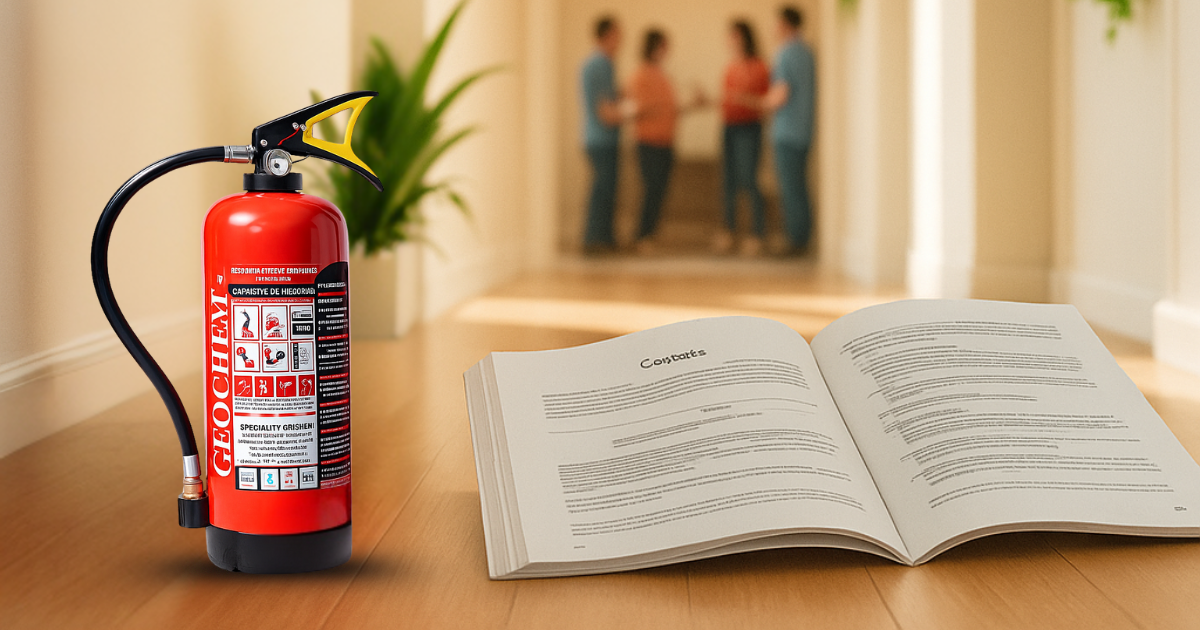
Keep a Home Fire Safety Kit or Fire Extinguisher Combo in the kitchen and living hall. Quick access saves lives.
Fire Safety Tips for Office & Work Environment
Workplaces have server rooms, document storage, electronic machines and multiple wiring channels — all potential fire starters. A small spark can shut down an entire business.
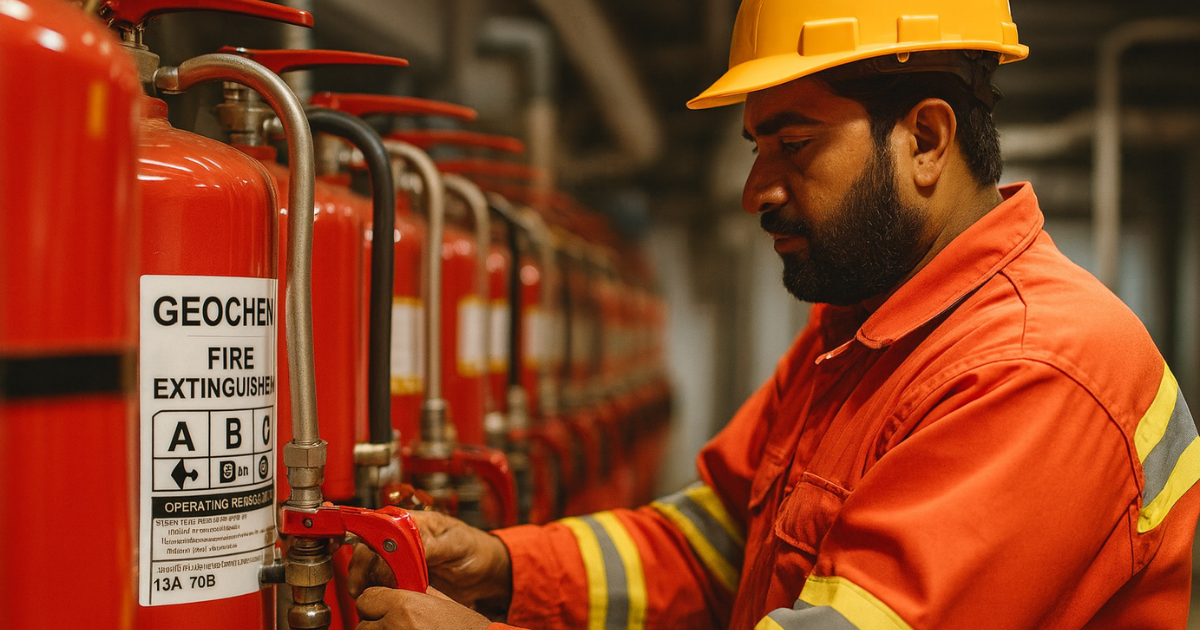
✔ Install extinguishers at critical points
✔ Conduct fire drills every 3–6 months
✔ Ensure emergency exits are never blocked
✔ Train staff to operate extinguishers confidently
✔ Use only quality electrical boards & surge protectors
✔ Keep flammable materials away from heat
Prepared employees respond faster than panicked ones.
Fire Safety for Schools & Children
Children are curious, active and unaware of danger — this makes fire education in schools extremely important. A guided child will be cautious, a playful child may take risks.
Schools must:
✔ Teach “Stop, Drop & Roll” rule for clothes catching fire
✔ Install extinguishers and alarms across campus
✔ Train teachers and students for safe evacuation
✔ Keep labs and kitchens under supervision
And at home, parents should teach children not to play with matches, candles or electrical plugs.
Fire Safety in Public Places & Vehicles
Accidents don’t happen only indoors. Vehicles and public areas can also catch fire due to fuel leakage, electrical malfunction or overheating.
While travelling:
✔ Do not throw cigarettes on dry grass
✔ Check car battery and wiring regularly
✔ Keep fire extinguisher in vehicle
✔ Avoid storing petrol or chemicals inside cars
Public places must have visible fire exits, extinguishers and trained staff.
Essential Fire Safety Equipment Everyone Should Own
Owning the right tools is a silent protector in emergencies. Recommended equipment includes:
🔷 ABC Fire Extinguisher
🔷 CO₂ Fire Extinguisher for electrical fires
🔷 Fire Blanket
🔷 Smoke Detector Alarm
🔷 First Aid Kit
🔷 Sand Bucket
🔷 Flashlight for dark evacuation
A one-time investment in safety is more valuable than future recovery.
What To Do When Fire Starts?
Knowledge in crisis is more powerful than strength. If fire breaks out:
-
Stay calm and alert others
-
Switch off electricity & gas supply
-
Use a fire extinguisher for small flames
-
Cover burning object with fire blanket
-
If clothes catch fire — STOP, DROP & ROLL
-
Never throw water on electrical or oil fire
-
Call fire brigade & evacuate quickly using stairs
-
Do not return to retrieve belongings
Safety is priority — everything else is secondary.
Conclusion – Awareness Saves Lives More Than Equipment
Fire is dangerous, but most fire accidents are avoidable. A little awareness, a few habits, a small extinguisher and a prepared mind can prevent disasters that destroy lives and dreams.
We cannot remove fire from life — we can only control how we use it.
Fire safety is not a policy — it is a responsibility.
And everyone should be a part of it.