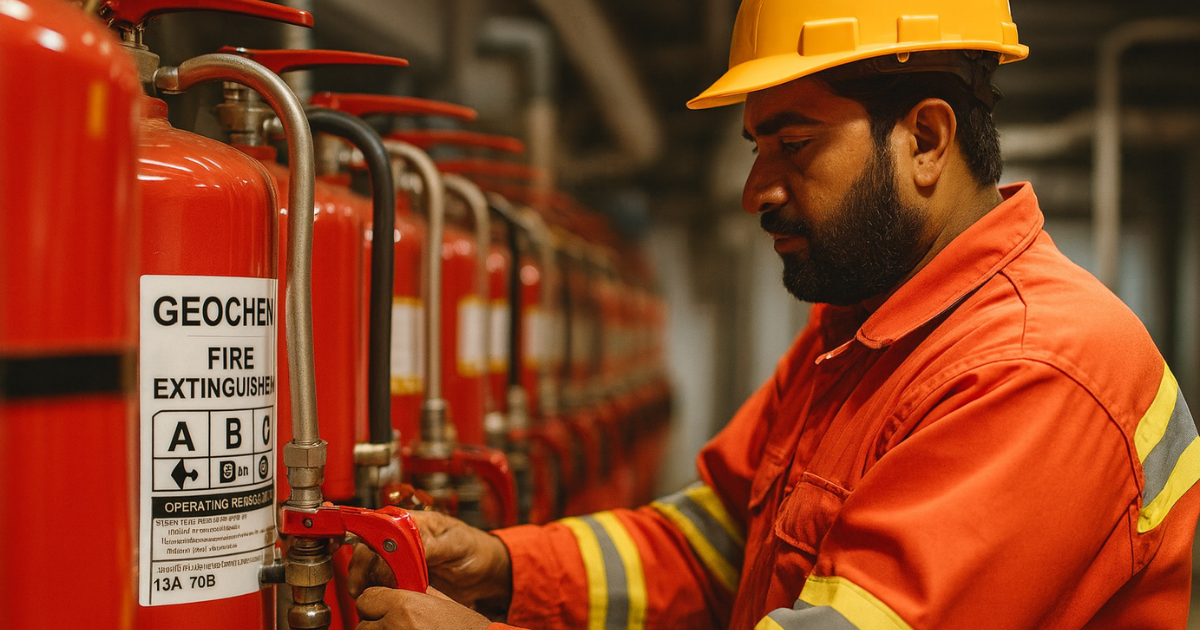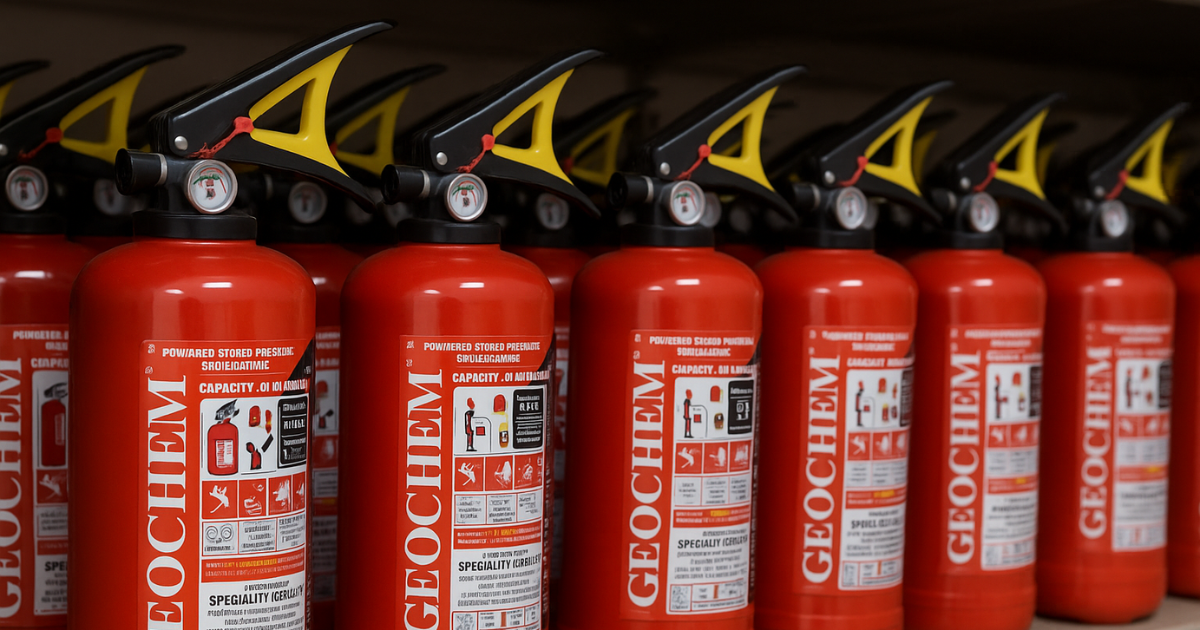
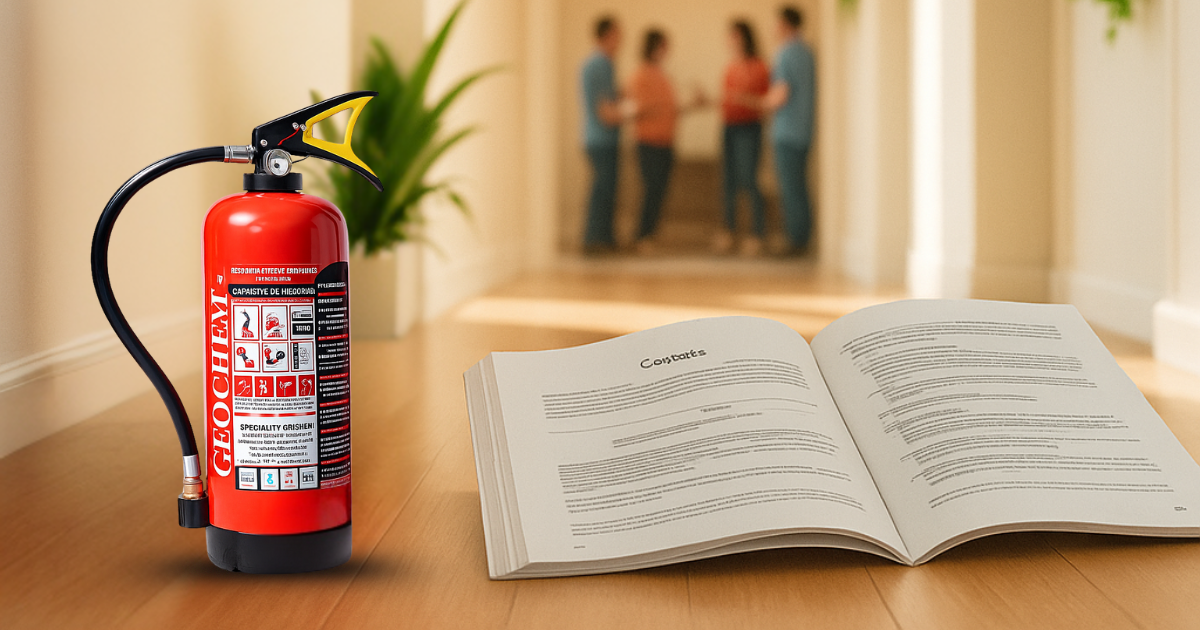
Fire is one of the most powerful forces in nature — useful when controlled, destructive when ignored. We use fire every day in cooking, heating, lighting diyas, running machines and powering industries. But the same flame that cooks food can burn a home, the spark that lights a candle can destroy a room, and a small short circuit can bring down an entire building. That is why fire safety awareness is essential for every human being, every home, and every workplace.
Many people only think about fire safety after an accident — when damage is already done. But true safety is about prevention, preparation and quick response.
This blog will help you understand fire, its causes, how to prevent it, and what to do when fire starts, in a clear and easy way.
What is Fire? (Basic Understanding)
Fire is not just a flame — it is a chemical reaction.
For fire to begin, three things are needed:
| Element | Meaning |
|---|---|
| Heat | Temperature that ignites things |
| Fuel | Material that burns – paper, oil, gas, wood |
| Oxygen | Air that keeps fire alive |
These three together form the Fire Triangle.
Remove even one, and fire stops.
Example:
-
If you reduce oxygen, fire suffocates.
-
If you remove fuel, fire has nothing to burn.
-
If you lower heat, fire cools down and dies.
Understanding this helps in deciding how to control a fire practically.
Common Causes of Fire Around Us
Fire usually begins due to small mistakes that go unnoticed.
Some very common reasons include:
-
Short circuits & loose wiring
-
Overheated chargers or appliances
-
Gas leakage or open flame in kitchen
-
Burning incense sticks near curtains
-
Careless smoking or throwing matchsticks
-
Bursting crackers near flammable material
-
Hot oil spillage while cooking
Most big fires start small — a spark, a flame, a single second of carelessness.
Types of Fire You Should Know
Different materials create different fire categories.
Understanding them helps in choosing the right extinguisher.
| Fire Class | Source | Example |
|---|---|---|
| Class A | Solid materials | Wood, fabric, paper |
| Class B | Flammable liquids | Petrol, paint, diesel |
| Class C | Gas & LPG | Gas stove, cylinders |
| Class D | Metals | Sodium, magnesium |
| Class E | Electrical fire | Wiring, panels, computers |
| Class F | Cooking oil & fats | Deep frying accidents |
Important:
Water works only on Class A fires.
Never throw water on oil or electrical fire — it spreads instead of stopping.
Fire Safety at Home
Your home is filled with combustible materials — furniture, curtains, clothes, gas, chargers, wood and plastic. Protecting your home is protecting your family.
Prevention Tips:
✔ Turn off LPG after every use
✔ Do not leave cooking unattended
✔ Replace old wiring & burnt sockets
✔ Keep lighters away from children
✔ Unplug chargers after devices are full
✔ Do not sleep with heaters on
✔ Store flammable items safely
A small routine habit can save a life.
Fire Safety in Workplace & Offices
Workplaces have computers, heavy machines, files, UPS batteries — all possible ignition sources.
To ensure safety:
✔ Install extinguishers at multiple points
✔ Conduct regular fire drills
✔ Keep exit routes always clear
✔ Maintain electrical panels properly
✔ Train staff to use safety kits
A trained team reacts faster than a frightened crowd.
Must-Have Fire Safety Equipment
Every home, shop, office and school must keep:
| Equipment | Purpose |
|---|---|
| Fire Extinguisher | First response to flame |
| Fire Blanket | Smothers fire & cuts oxygen |
| Smoke Detector | Alerts early before spread |
| Fire Safety Kit | Complete protection package |
| Sand Bucket | Useful for liquid fires |
| Emergency Torch | For power-cut evacuation |
These tools are not expenses — they are life-saving investments.
What To Do When Fire Starts?
Stay calm. Panic increases danger.
Follow these steps:
-
Raise alarm & alert people around you
-
Switch off electricity and gas supply
-
Use extinguisher for small fires
-
If clothes catch fire — STOP, DROP, ROLL
-
Evacuate building using stairs, not elevator
-
Call fire brigade immediately
-
Crawl low — smoke rises, oxygen stays down
-
Do NOT re-enter the burning area
Safety first — belongings can be replaced, life cannot.
Final Understanding
Fire safety is not just knowledge — it is a habit.
A habit of caution, prevention and readiness.
You don’t need fear — you need awareness.
You don’t need panic — you need preparation.
The more we understand fire, the more we control it.
Because fire is powerful, but safety is wiser.
One prepared family can save many.
One prepared office can protect hundreds.
One simple extinguisher can stop a disaster.
Stay aware. Stay equipped. Stay safe.